

How to Build a Neural Machine Translation System for a Low-Resource LanguageTowards Data Science An introduction to neural machine translation
The post How to Build a Neural Machine Translation System for a Low-Resource Language appeared first on Towards Data Science.
An introduction to neural machine translation
The post How to Build a Neural Machine Translation System for a Low-Resource Language appeared first on Towards Data Science. Read More
Air for Tomorrow: Mapping the Digital Air-Quality Landscape, from Repositories and Data Types to Starter CodeTowards Data Science Understand air quality: access the available data, interpret data types, and execute starter codes
The post Air for Tomorrow: Mapping the Digital Air-Quality Landscape, from Repositories and Data Types to Starter Code appeared first on Towards Data Science.
Understand air quality: access the available data, interpret data types, and execute starter codes
The post Air for Tomorrow: Mapping the Digital Air-Quality Landscape, from Repositories and Data Types to Starter Code appeared first on Towards Data Science. Read More
GitHub Releases Copilot-SDK to Embed Its Agentic Runtime in Any AppMarkTechPost GitHub has opened up the internal agent runtime that powers GitHub Copilot CLI and exposed it as a programmable SDK. The GitHub Copilot-SDK, now in technical preview, lets you embed the same agentic execution loop into any application so the agent can plan, invoke tools, edit files, and run commands as part of your own
The post GitHub Releases Copilot-SDK to Embed Its Agentic Runtime in Any App appeared first on MarkTechPost.
GitHub has opened up the internal agent runtime that powers GitHub Copilot CLI and exposed it as a programmable SDK. The GitHub Copilot-SDK, now in technical preview, lets you embed the same agentic execution loop into any application so the agent can plan, invoke tools, edit files, and run commands as part of your own
The post GitHub Releases Copilot-SDK to Embed Its Agentic Runtime in Any App appeared first on MarkTechPost. Read More
How Machine Learning and Semantic Embeddings Reorder CVE Vulnerabilities Beyond Raw CVSS ScoresMarkTechPost In this tutorial, we build an AI-assisted vulnerability scanner that goes beyond static CVSS scoring and instead learns to prioritize vulnerabilities using semantic understanding and machine learning. We treat vulnerability descriptions as rich linguistic artifacts, embed them using modern sentence transformers, and combine these representations with structural metadata to produce a data-driven priority score. Also,
The post How Machine Learning and Semantic Embeddings Reorder CVE Vulnerabilities Beyond Raw CVSS Scores appeared first on MarkTechPost.
In this tutorial, we build an AI-assisted vulnerability scanner that goes beyond static CVSS scoring and instead learns to prioritize vulnerabilities using semantic understanding and machine learning. We treat vulnerability descriptions as rich linguistic artifacts, embed them using modern sentence transformers, and combine these representations with structural metadata to produce a data-driven priority score. Also,
The post How Machine Learning and Semantic Embeddings Reorder CVE Vulnerabilities Beyond Raw CVSS Scores appeared first on MarkTechPost. Read More
How an AI Agent Chooses What to Do Under Tokens, Latency, and Tool-Call Budget Constraints?MarkTechPost In this tutorial, we build a cost-aware planning agent that deliberately balances output quality against real-world constraints such as token usage, latency, and tool-call budgets. We design the agent to generate multiple candidate actions, estimate their expected costs and benefits, and then select an execution plan that maximizes value while staying within strict budgets. With
The post How an AI Agent Chooses What to Do Under Tokens, Latency, and Tool-Call Budget Constraints? appeared first on MarkTechPost.
In this tutorial, we build a cost-aware planning agent that deliberately balances output quality against real-world constraints such as token usage, latency, and tool-call budgets. We design the agent to generate multiple candidate actions, estimate their expected costs and benefits, and then select an execution plan that maximizes value while staying within strict budgets. With
The post How an AI Agent Chooses What to Do Under Tokens, Latency, and Tool-Call Budget Constraints? appeared first on MarkTechPost. Read More
Unrolling the Codex agent loopOpenAI News A technical deep dive into the Codex agent loop, explaining how Codex CLI orchestrates models, tools, prompts, and performance using the Responses API.
A technical deep dive into the Codex agent loop, explaining how Codex CLI orchestrates models, tools, prompts, and performance using the Responses API. Read More
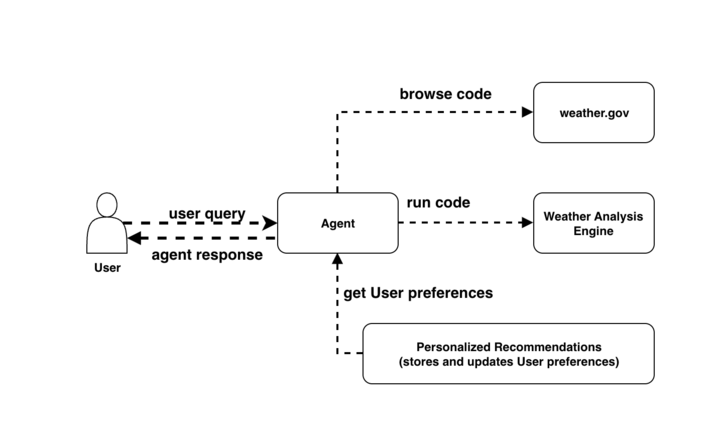
Build AI agents with Amazon Bedrock AgentCore using AWS CloudFormationArtificial Intelligence Amazon Bedrock AgentCore services are now being supported by various IaC frameworks such as AWS Cloud Development Kit (AWS CDK), Terraform and AWS CloudFormation Templates. This integration brings the power of IaC directly to AgentCore so developers can provision, configure, and manage their AI agent infrastructure. In this post, we use CloudFormation templates to build an end-to-end application for a weather activity planner.
Amazon Bedrock AgentCore services are now being supported by various IaC frameworks such as AWS Cloud Development Kit (AWS CDK), Terraform and AWS CloudFormation Templates. This integration brings the power of IaC directly to AgentCore so developers can provision, configure, and manage their AI agent infrastructure. In this post, we use CloudFormation templates to build an end-to-end application for a weather activity planner. Read More
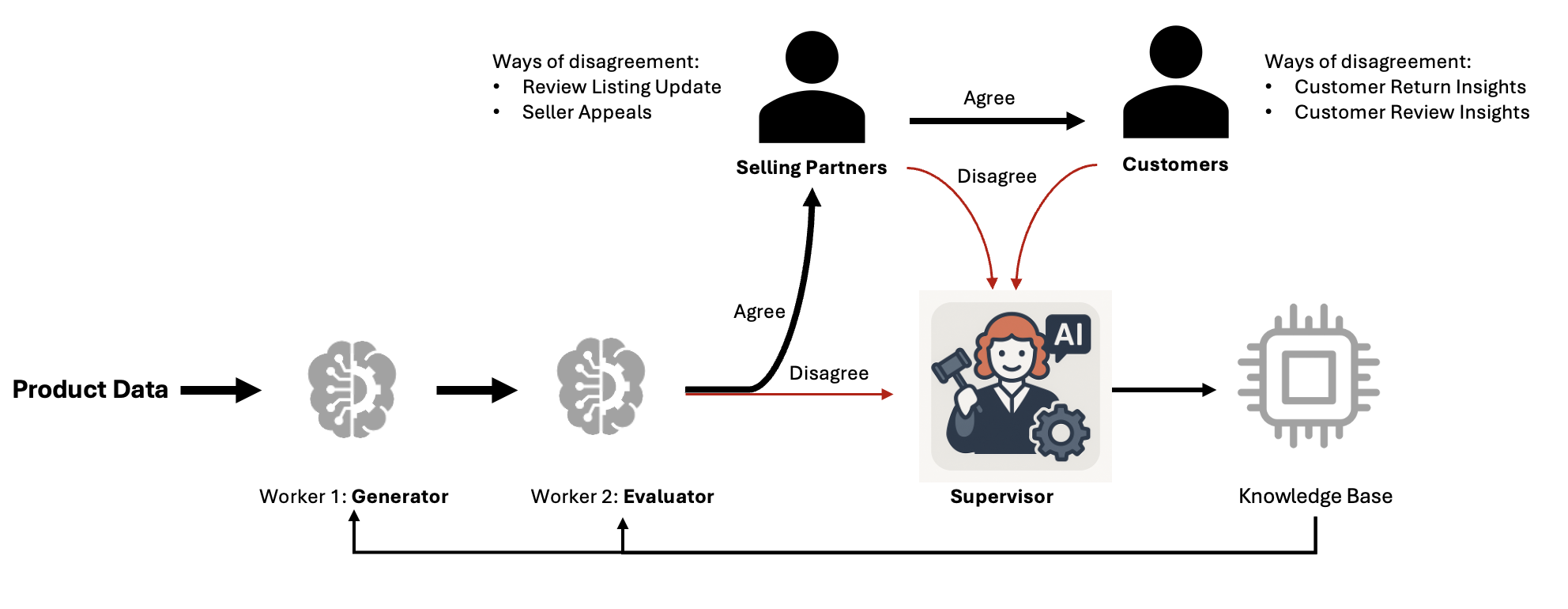
How the Amazon.com Catalog Team built self-learning generative AI at scale with Amazon BedrockArtificial Intelligence In this post, we demonstrate how the Amazon Catalog Team built a self-learning system that continuously improves accuracy while reducing costs at scale using Amazon Bedrock.
In this post, we demonstrate how the Amazon Catalog Team built a self-learning system that continuously improves accuracy while reducing costs at scale using Amazon Bedrock. Read More
Optimizing Data Transfer in Distributed AI/ML Training WorkloadsTowards Data Science A deep dive on data transfer bottlenecks, their identification, and their resolution with the help of NVIDIA Nsight™ Systems – part 3
The post Optimizing Data Transfer in Distributed AI/ML Training Workloads appeared first on Towards Data Science.
A deep dive on data transfer bottlenecks, their identification, and their resolution with the help of NVIDIA Nsight™ Systems – part 3
The post Optimizing Data Transfer in Distributed AI/ML Training Workloads appeared first on Towards Data Science. Read More
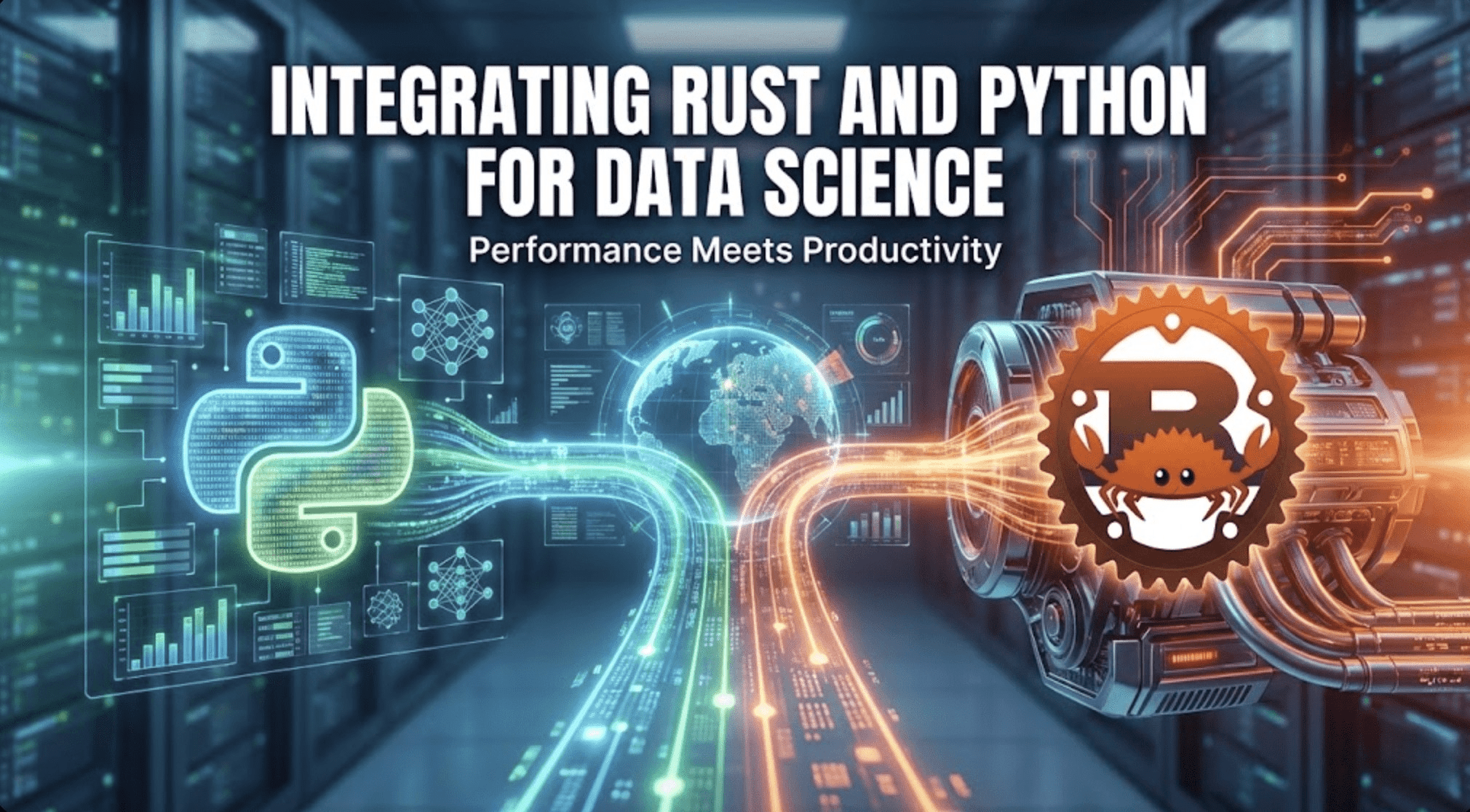
Integrating Rust and Python for Data ScienceKDnuggets Python remains at the forefront data science, it is still very popular and useful till date. But on the other hand strengthens the foundation underneath. It becomes necessary where performance, memory control, and predictability become important.
Python remains at the forefront data science, it is still very popular and useful till date. But on the other hand strengthens the foundation underneath. It becomes necessary where performance, memory control, and predictability become important. Read More