

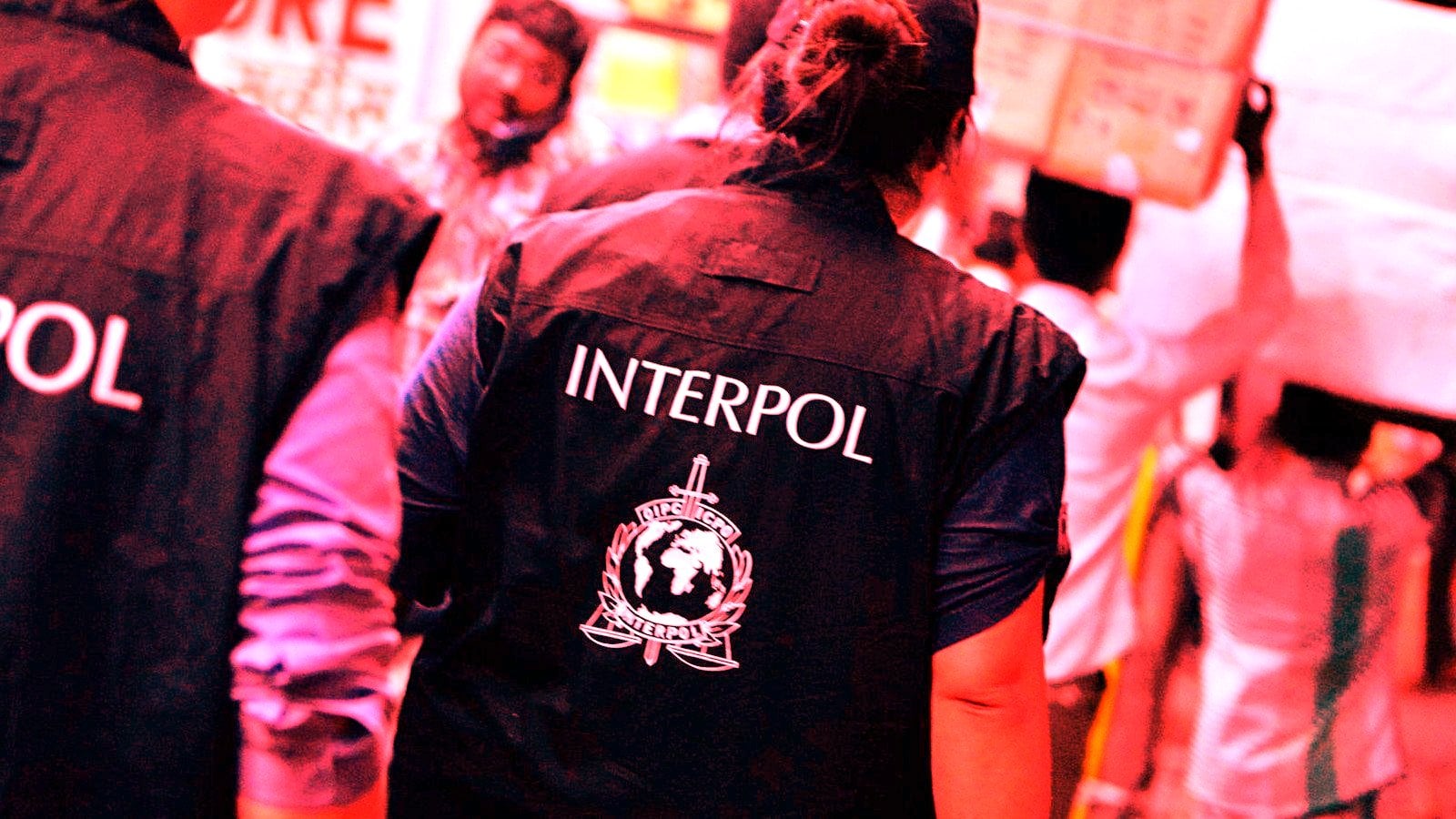
Between mid-2025 and early 2026, Interpol-led operations disrupted 45,000 IP addresses, arrested 745+ suspects across three continents, and seized LeakBase — a 142,000-member criminal forum that replaced BreachForums. The combined scale of infrastructure takedowns and marketplace seizure marks a strategic shift in enforcement, but threat actor displacement and an absence of published IOCs create immediate detection gaps for security teams.
Operation Synergia III (July 2025–January 2026) closed out as the largest iteration of the series by significant margin. Phase I dismantled 1,300 C2 servers; Phase II sinkholed 22,000 IPs and seized 1,037 servers; Phase III doubled that infrastructure disruption to 45,000 sinkholed IPs and 212 seized devices across 72 participating countries (BleepingComputer, Gatlan, March 13 2026). The Macau finding — over 33,000 phishing and fraudulent websites impersonating casinos, banks, government portals, and payment processors — points to coordinated infrastructure sharing at industrial scale rather than distributed independent actors. That concentration suggests cybercrime-as-a-service provisioning: a smaller group of infrastructure operators supplying turnkey phishing capability to many downstream operators. For detection engineers, this pattern means sinkhole events may eliminate hosting nodes without touching the kit developers or the customer base.
The LeakBase seizure (March 3–4, 2026) adds a marketplace and intelligence layer the infrastructure takedowns cannot replicate. Launched by the ARES threat group in 2021, LeakBase grew to 142,000 registered members after absorbing the community displaced from RaidForums and BreachForums (BleepingComputer, Gatlan, March 4 2026). The forum hosted exploit markets, stolen data sales, social engineering tutorials, and an escrow payment system — a vertically integrated criminal supply chain. Europol’s confirmation that approximately 100 enforcement actions targeted the 37 most active users signals follow-on arrest planning, not just platform removal. The FBI’s retention of IP logs and private messages for evidentiary use extends the attribution window well into 2026. Threat intelligence teams should monitor for actor rebranding: the RaidForums-to-BreachForums-to-LeakBase succession pattern suggests a replacement forum will stand up within months, likely seeded by the same displaced operator community.
The African operations reveal a separate threat profile. Operation Red Card (November 2024–February 2025) produced 306 arrests and seizure of 1,842 devices tied to mobile banking scams, SIM box fraud, and social engineering (BleepingComputer, Gatlan, March 24 2025). Red Card 2.0 (December 2025–January 2026) escalated to 651 arrests, 2,341 seized devices, 1,442 malicious websites and servers taken down, and over $4.3 million recovered against documented losses exceeding $45 million (BleepingComputer, Gatlan, February 19 2026). The Zambian gang case — malware delivered via malicious messaging app links to hijack accounts and banking apps — illustrates a mobile-first attack chain that exploits markets where smartphone banking adoption has outpaced endpoint security maturity. This is not a regional anomaly. The same chain (mobile lure, credential harvest, account takeover) is increasingly observed in markets outside Africa where SMS-based MFA and messaging app authentication remain standard.
The most significant operational gap across all three source threads is the absence of published IOC sets. The 45,000 sinkholed IPs span ransomware, phishing, and malware C2 infrastructure, but no malware family names, C2 framework identifiers, phishing kit signatures, or specific indicator feeds have been released (BleepingComputer, Gatlan, March 13 2026). Interpol’s named private sector partners — Group-IB, Kaspersky, and Trend Micro for Red Card intelligence enrichment — are the most likely sources for post-operation indicator releases. Defenders cannot hunt against this disruption event today. Source 3 (CSAM operation, June 2025) is topically distinct from the cybercrime infrastructure and fraud operations in Sources 1 and 2; its inclusion likely reflects source aggregation rather than thematic overlap, and its details are not incorporated into this analysis. The enforcement trajectory across Synergia phases suggests operations will continue scaling, but each enforcement cycle without demand-side intervention produces the same reconstitution pattern. Infrastructure and marketplace disruption removes nodes; it does not eliminate the operator pool or the customers those nodes served.
- Takeaway 1: LeakBase’s seized database — IP logs and private messages from 142,000 members — will drive follow-on arrests through 2026; threat intelligence teams should immediately begin tracking actor rebranding, new forum registrations, and credential reuse from accounts exposed in the seizure.
- Takeaway 2: No IOC sets have been published for the 45,000 sinkholed IPs or associated malware families; actively monitor Group-IB, Kaspersky, and Trend Micro (named Interpol partners) for indicator releases tied to Synergia III and Red Card 2.0 in the weeks ahead.
- Takeaway 3: The 33,000+ phishing sites concentrated in Macau — impersonating banks, casinos, payment processors, and government portals — confirm credential-harvesting infrastructure operates at industrial scale; financial services and government organizations should audit brand impersonation exposure and validate phishing simulation coverage against these site type categories.
- Takeaway 4: Mobile-first attack chains observed across African operations (malware via messaging app links, SIM box fraud enabling SMS phishing, fake loan and investment apps) are not geographically contained; organizations relying on SMS-based MFA or messaging app authentication should reassess that posture.
- Takeaway 5: The Synergia series progression (1,300 servers → 22,000 IPs → 45,000 IPs) confirms growing multi-agency enforcement capacity, but the RaidForums → BreachForums → LeakBase succession confirms supply-side disruption without demand-side controls produces platform reconstitution within months; build detection coverage for post-disruption resurgence patterns, not just the known infrastructure.
