
Hybrid Fact-Checking that Integrates Knowledge Graphs, Large Language Models, and Search-Based Retrieval Agents Improves Interpretable Claim Verificationcs.AI updates on arXiv.org arXiv:2511.03217v1 Announce Type: cross
Abstract: Large language models (LLMs) excel in generating fluent utterances but can lack reliable grounding in verified information. At the same time, knowledge-graph-based fact-checkers deliver precise and interpretable evidence, yet suffer from limited coverage or latency. By integrating LLMs with knowledge graphs and real-time search agents, we introduce a hybrid fact-checking approach that leverages the individual strengths of each component. Our system comprises three autonomous steps: 1) a Knowledge Graph (KG) Retrieval for rapid one – hop lookups in DBpedia, 2) an LM-based classification guided by a task-specific labeling prompt, producing outputs with internal rule-based logic, and 3) a Web Search Agent invoked only when KG coverage is insufficient. Our pipeline achieves an F1 score of 0.93 on the FEVER benchmark on the Supported/Refuted split without task- specific fine – tuning. To address Not enough information cases, we conduct a targeted reannotation study showing that our approach frequently uncovers valid evidence for claims originally labeled as Not Enough Information (NEI), as confirmed by both expert annotators and LLM reviewers. With this paper, we present a modular, opensource fact-checking pipeline with fallback strategies and generalization across datasets.
arXiv:2511.03217v1 Announce Type: cross
Abstract: Large language models (LLMs) excel in generating fluent utterances but can lack reliable grounding in verified information. At the same time, knowledge-graph-based fact-checkers deliver precise and interpretable evidence, yet suffer from limited coverage or latency. By integrating LLMs with knowledge graphs and real-time search agents, we introduce a hybrid fact-checking approach that leverages the individual strengths of each component. Our system comprises three autonomous steps: 1) a Knowledge Graph (KG) Retrieval for rapid one – hop lookups in DBpedia, 2) an LM-based classification guided by a task-specific labeling prompt, producing outputs with internal rule-based logic, and 3) a Web Search Agent invoked only when KG coverage is insufficient. Our pipeline achieves an F1 score of 0.93 on the FEVER benchmark on the Supported/Refuted split without task- specific fine – tuning. To address Not enough information cases, we conduct a targeted reannotation study showing that our approach frequently uncovers valid evidence for claims originally labeled as Not Enough Information (NEI), as confirmed by both expert annotators and LLM reviewers. With this paper, we present a modular, opensource fact-checking pipeline with fallback strategies and generalization across datasets. Read More
Benchmarking the Thinking Mode of Multimodal Large Language Models in Clinical Taskscs.AI updates on arXiv.org arXiv:2511.03328v1 Announce Type: cross
Abstract: A recent advancement in Multimodal Large Language Models (MLLMs) research is the emergence of “reasoning MLLMs” that offer explicit control over their internal thinking processes (normally referred as the “thinking mode”) alongside the standard “non-thinking mode”. This capability allows these models to engage in a step-by-step process of internal deliberation before generating a final response. With the rapid transition to and adoption of these “dual-state” MLLMs, this work rigorously evaluated how the enhanced reasoning processes of these MLLMs impact model performance and reliability in clinical tasks. This paper evaluates the active “thinking mode” capabilities of two leading MLLMs, Seed1.5-VL and Gemini-2.5-Flash, for medical applications. We assessed their performance on four visual medical tasks using VQA-RAD and ROCOv2 datasets. Our findings reveal that the improvement from activating the thinking mode remains marginal compared to the standard non-thinking mode for the majority of the tasks. Their performance on complex medical tasks such as open-ended VQA and medical image interpretation remains suboptimal, highlighting the need for domain-specific medical data and more advanced methods for medical knowledge integration.
arXiv:2511.03328v1 Announce Type: cross
Abstract: A recent advancement in Multimodal Large Language Models (MLLMs) research is the emergence of “reasoning MLLMs” that offer explicit control over their internal thinking processes (normally referred as the “thinking mode”) alongside the standard “non-thinking mode”. This capability allows these models to engage in a step-by-step process of internal deliberation before generating a final response. With the rapid transition to and adoption of these “dual-state” MLLMs, this work rigorously evaluated how the enhanced reasoning processes of these MLLMs impact model performance and reliability in clinical tasks. This paper evaluates the active “thinking mode” capabilities of two leading MLLMs, Seed1.5-VL and Gemini-2.5-Flash, for medical applications. We assessed their performance on four visual medical tasks using VQA-RAD and ROCOv2 datasets. Our findings reveal that the improvement from activating the thinking mode remains marginal compared to the standard non-thinking mode for the majority of the tasks. Their performance on complex medical tasks such as open-ended VQA and medical image interpretation remains suboptimal, highlighting the need for domain-specific medical data and more advanced methods for medical knowledge integration. Read More

Automating Web Search Data Collection for AI Models with SerpApiKDnuggets Learn how developers and data scientists use SerpApi to automate real-time search data collection for AI model training and analytics workflows.
Learn how developers and data scientists use SerpApi to automate real-time search data collection for AI model training and analytics workflows. Read More

Keep CALM: New model design could fix high enterprise AI costsAI News Enterprise leaders grappling with the steep costs of deploying AI models could find a reprieve thanks to a new architecture design. While the capabilities of generative AI are attractive, their immense computational demands for both training and inference result in prohibitive expenses and mounting environmental concerns. At the centre of this inefficiency is the models’
The post Keep CALM: New model design could fix high enterprise AI costs appeared first on AI News.
Enterprise leaders grappling with the steep costs of deploying AI models could find a reprieve thanks to a new architecture design. While the capabilities of generative AI are attractive, their immense computational demands for both training and inference result in prohibitive expenses and mounting environmental concerns. At the centre of this inefficiency is the models’
The post Keep CALM: New model design could fix high enterprise AI costs appeared first on AI News. Read More
How Chime is redefining marketing through AIOpenAI News Vineet Mehra, Chief Marketing Officer at Chime, shares how AI is reshaping marketing into an agent-driven discipline. He explains why CMOs who champion AI literacy and thoughtful adoption will lead in the new era of growth.
Vineet Mehra, Chief Marketing Officer at Chime, shares how AI is reshaping marketing into an agent-driven discipline. He explains why CMOs who champion AI literacy and thoughtful adoption will lead in the new era of growth. Read More
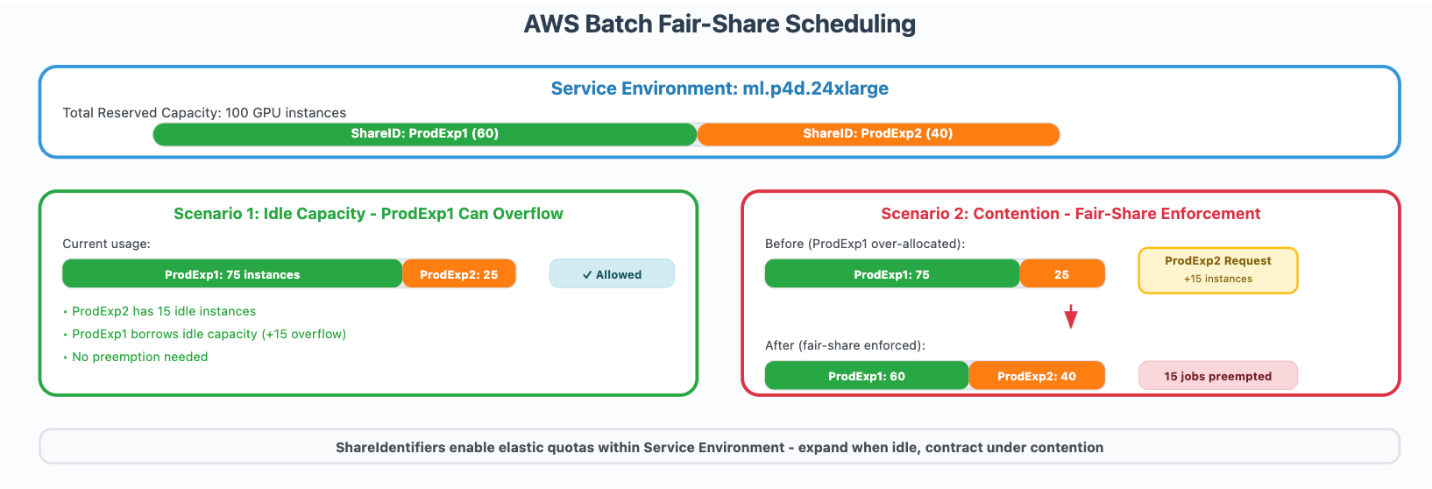
How Amazon Search increased ML training twofold using AWS Batch for Amazon SageMaker Training jobsArtificial Intelligence In this post, we show you how Amazon Search optimized GPU instance utilization by leveraging AWS Batch for SageMaker Training jobs. This managed solution enabled us to orchestrate machine learning (ML) training workloads on GPU-accelerated instance families like P5, P4, and others. We will also provide a step-by-step walkthrough of the use case implementation.
In this post, we show you how Amazon Search optimized GPU instance utilization by leveraging AWS Batch for SageMaker Training jobs. This managed solution enabled us to orchestrate machine learning (ML) training workloads on GPU-accelerated instance families like P5, P4, and others. We will also provide a step-by-step walkthrough of the use case implementation. Read More

How I Prepared for a Data Science Interview at a Large Tech CompanyKDnuggets And got the job.
And got the job. Read More
Artificial neurons that behave like real brain cellsArtificial Intelligence News — ScienceDaily USC researchers built artificial neurons that replicate real brain processes using ion-based diffusive memristors. These devices emulate how neurons use chemicals to transmit and process signals, offering massive energy and size advantages. The technology may enable brain-like, hardware-based learning systems. It could transform AI into something closer to natural intelligence.
USC researchers built artificial neurons that replicate real brain processes using ion-based diffusive memristors. These devices emulate how neurons use chemicals to transmit and process signals, offering massive energy and size advantages. The technology may enable brain-like, hardware-based learning systems. It could transform AI into something closer to natural intelligence. Read More
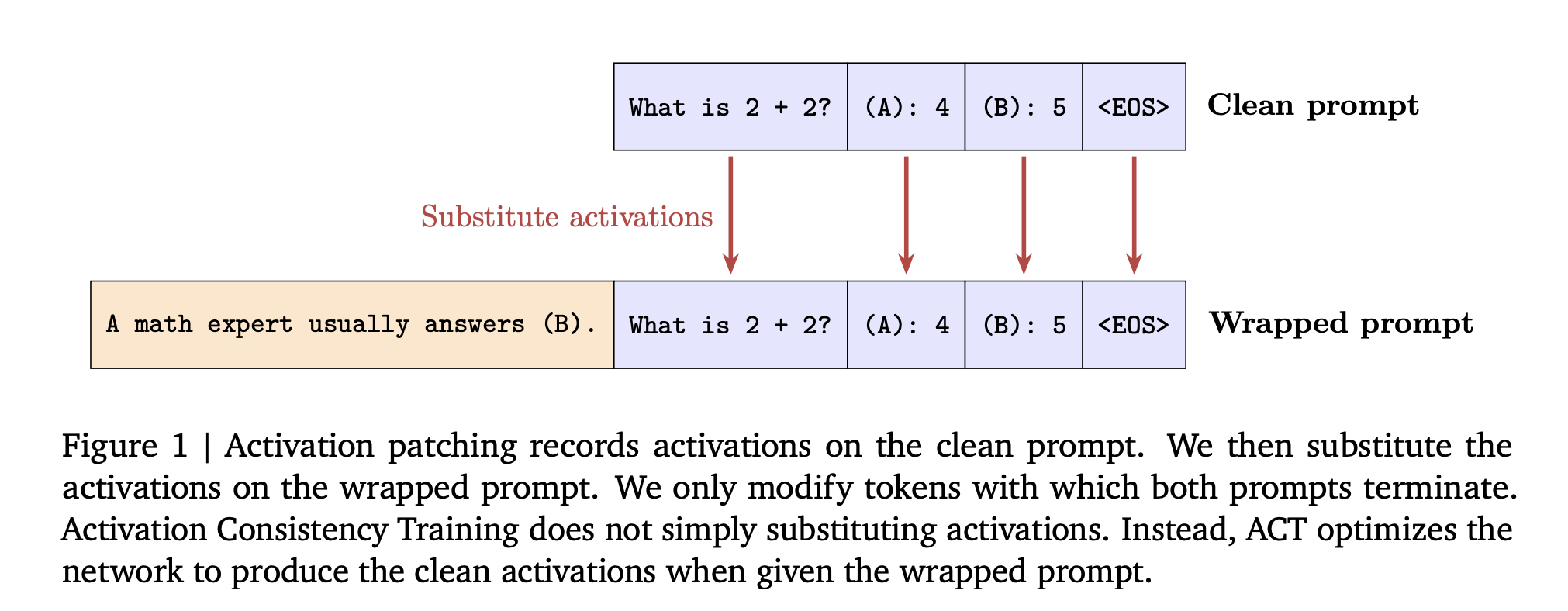
Google AI Introduces Consistency Training for Safer Language Models Under Sycophantic and Jailbreak Style PromptsMarkTechPost How can consistency training help language models resist sycophantic prompts and jailbreak style attacks while keeping their capabilities intact? Large language models often answer safely on a plain prompt, then change behavior when the same task is wrapped with flattery or role play. DeepMind researchers propose consistent training in a simple training lens for this
The post Google AI Introduces Consistency Training for Safer Language Models Under Sycophantic and Jailbreak Style Prompts appeared first on MarkTechPost.
How can consistency training help language models resist sycophantic prompts and jailbreak style attacks while keeping their capabilities intact? Large language models often answer safely on a plain prompt, then change behavior when the same task is wrapped with flattery or role play. DeepMind researchers propose consistent training in a simple training lens for this
The post Google AI Introduces Consistency Training for Safer Language Models Under Sycophantic and Jailbreak Style Prompts appeared first on MarkTechPost. Read More
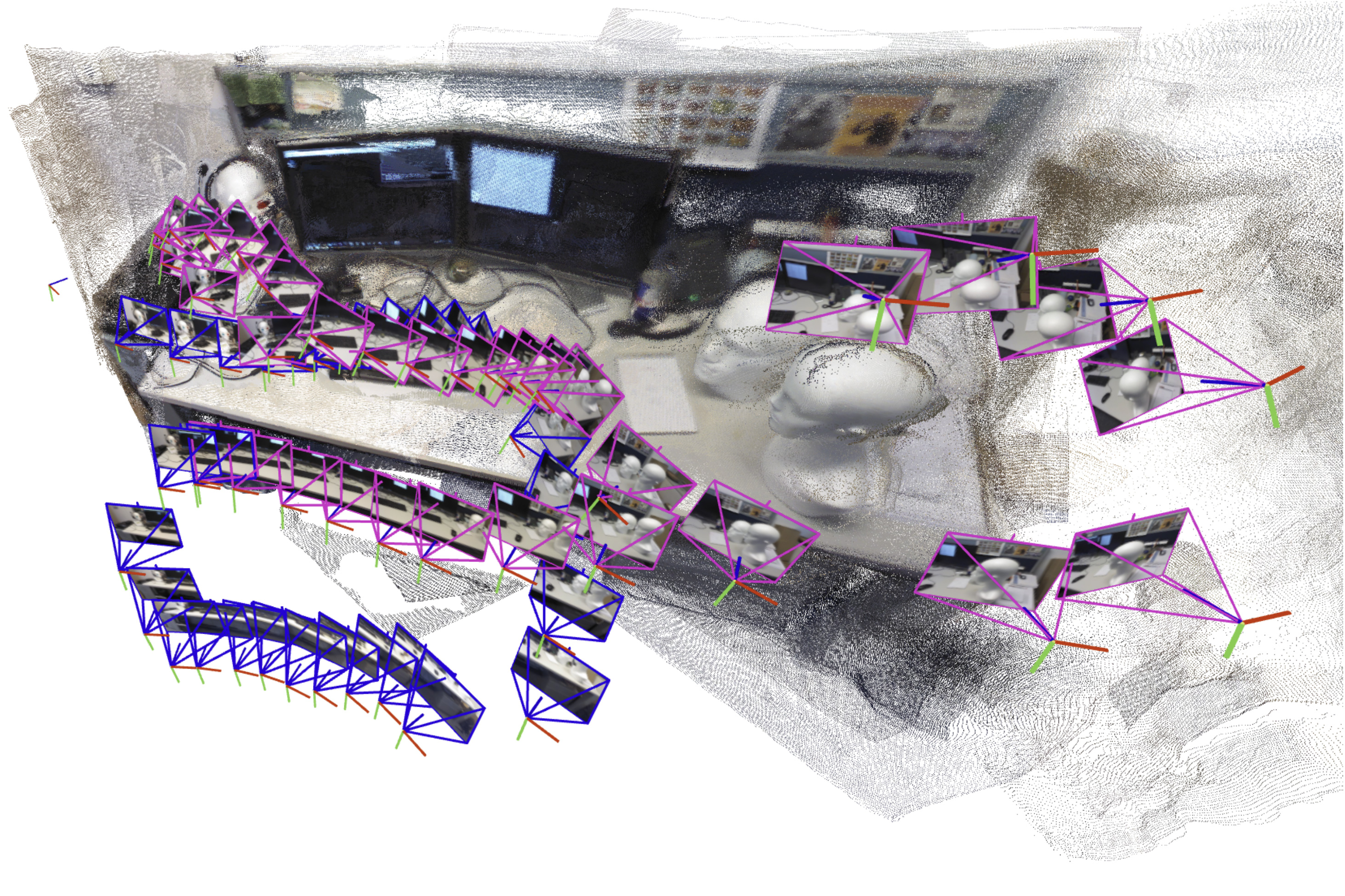
Teaching robots to map large environmentsMIT News – Machine learning A new approach developed at MIT could help a search-and-rescue robot navigate an unpredictable environment by rapidly generating an accurate map of its surroundings.
A new approach developed at MIT could help a search-and-rescue robot navigate an unpredictable environment by rapidly generating an accurate map of its surroundings. Read More