
Cybersecurity researchers have disclosed details of a new mobile spyware platform dubbed ZeroDayRAT that’s being advertised on Telegram as a way to grab sensitive data and facilitate real-time surveillance on Android and iOS devices. “The developer runs dedicated channels for sales, customer support, and regular updates, giving buyers a single point of access to a […]

Password-based authentication is increasingly risky as organizations adopt passkeys to strengthen security and meet ISO/IEC 27001 requirements. Passwork explains how to align passwordless adoption with Annex A controls, risk assessments, and secure implementation practices. […] Read More

30 copycat apps tricked users, and Google itself, into thinking they’re legitimate AI tools. Read More

Google has released emergency updates to fix a high-severity Chrome vulnerability exploited in zero-day attacks, marking the first such security flaw patched since the start of the year. […] Read More

CTM360 reports 4,000+ malicious Google Groups and 3,500+ Google-hosted URLs used to spread the Lumma Stealer infostealing malware and a trojanized “Ninja Browser.” The report details how attackers abuse trusted Google services to steal credentials and maintain persistence across Windows and Linux systems. […] Read More

Threat actors are now abusing DNS queries as part of ClickFix social engineering attacks to deliver malware, making this the first known use of DNS as a channel in these campaigns. […] Read More

Microsoft says it has resolved a Windows 11 bug that caused some commercial systems to fail to boot with an “UNMOUNTABLE_BOOT_VOLUME” error after installing recent security updates, with the fix delivered in the February 2026 Patch Tuesday update. […] Read More

Threat actors are abusing Pastebin comments to distribute a new ClickFix-style attack that tricks cryptocurrency users into executing malicious JavaScript in their browser, allowing attackers to hijack Bitcoin swap transactions and redirect funds to attacker-controlled wallets. […] Read More
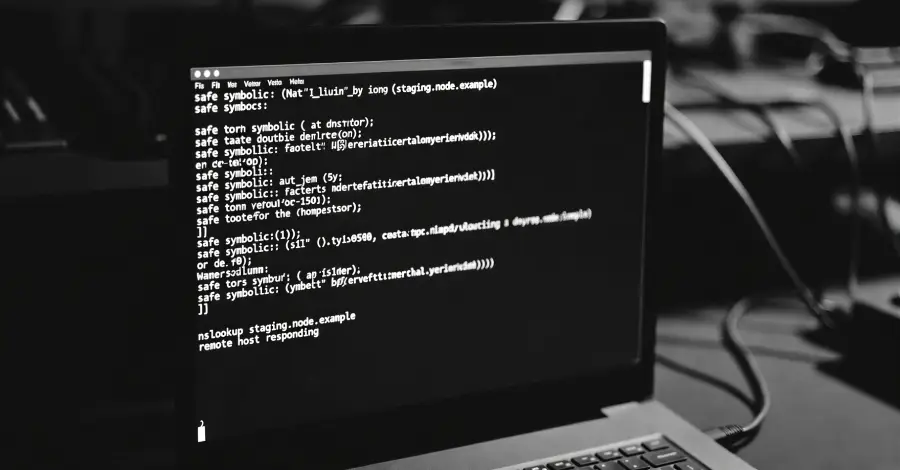
Microsoft has disclosed details of a new version of the ClickFix social engineering tactic in which the attackers trick unsuspecting users into running commands that carry out a Domain Name System (DNS) lookup to retrieve the next-stage payload. Specifically, the attack relies on using the “nslookup” (short for nameserver lookup) command to execute a custom […]

Threat intelligence observations show that a single threat actor is responsible for most of the active exploitation of two critical vulnerabilities in Ivanti Endpoint Manager Mobile (EPMM), tracked as CVE-2026-21962 and CVE-2026-24061. […] Read More