
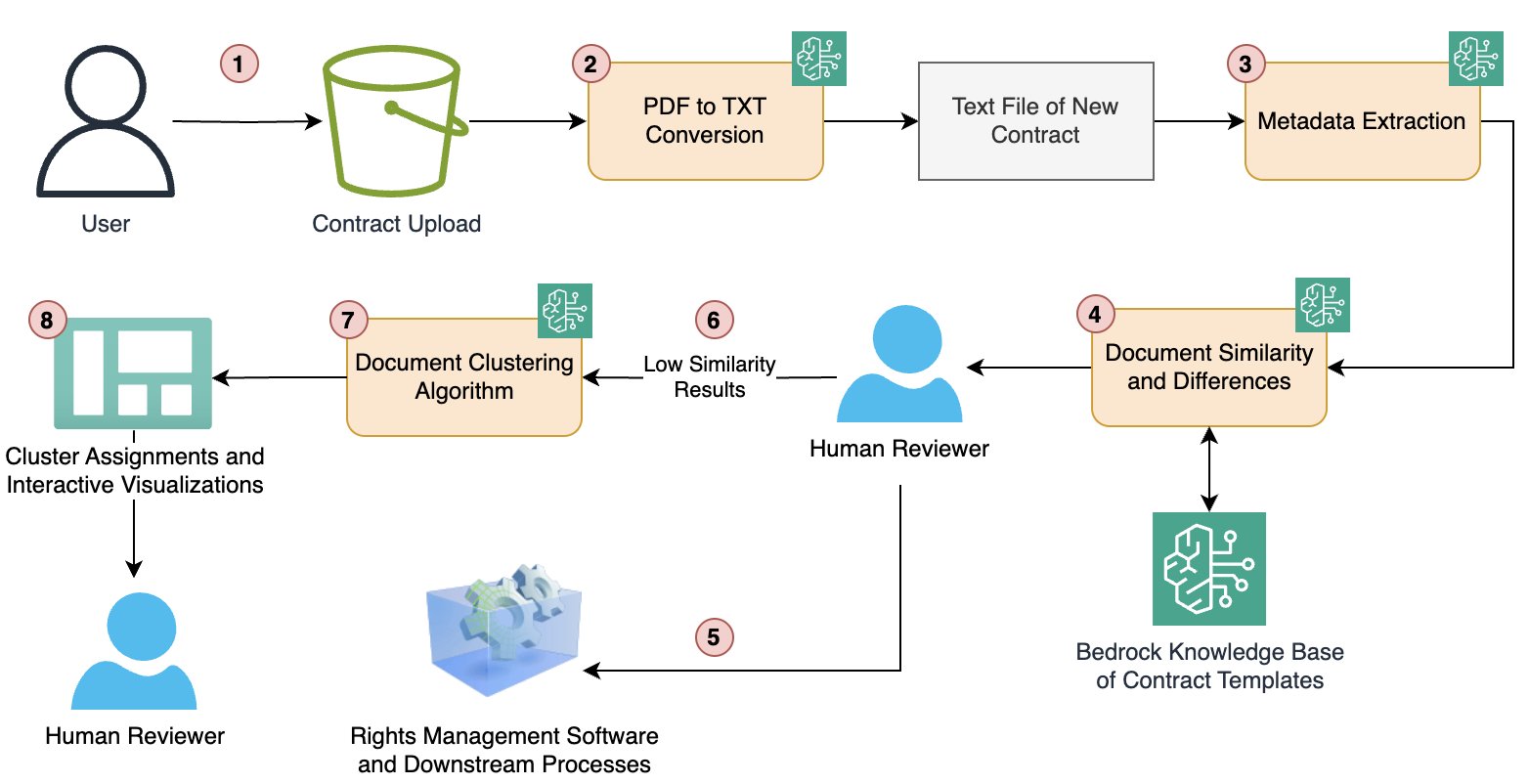
How Condé Nast accelerated contract processing and rights analysis with Amazon BedrockArtificial Intelligence In this post, we explore how Condé Nast used Amazon Bedrock and Anthropic’s Claude to accelerate their contract processing and rights analysis workstreams. The company’s extensive portfolio, spanning multiple brands and geographies, required managing an increasingly complex web of contracts, rights, and licensing agreements.
In this post, we explore how Condé Nast used Amazon Bedrock and Anthropic’s Claude to accelerate their contract processing and rights analysis workstreams. The company’s extensive portfolio, spanning multiple brands and geographies, required managing an increasingly complex web of contracts, rights, and licensing agreements. Read More
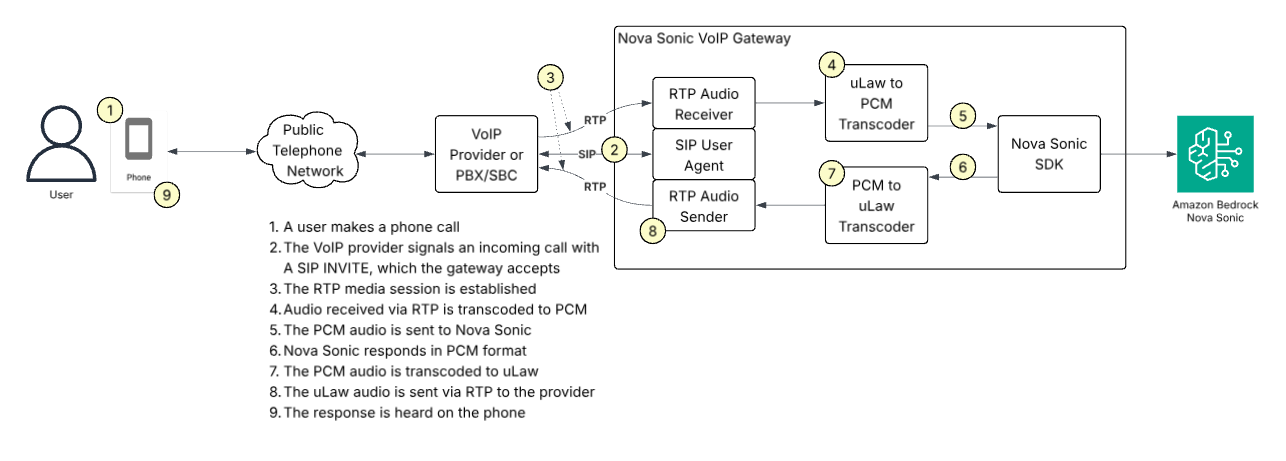
Building AI-Powered Voice Applications: Amazon Nova Sonic Telephony Integration GuideArtificial Intelligence Available through the Amazon Bedrock bidirectional streaming API, Amazon Nova Sonic can connect to your business data and external tools and can be integrated directly with telephony systems. This post will introduce sample implementations for the most common telephony scenarios.
Available through the Amazon Bedrock bidirectional streaming API, Amazon Nova Sonic can connect to your business data and external tools and can be integrated directly with telephony systems. This post will introduce sample implementations for the most common telephony scenarios. Read More
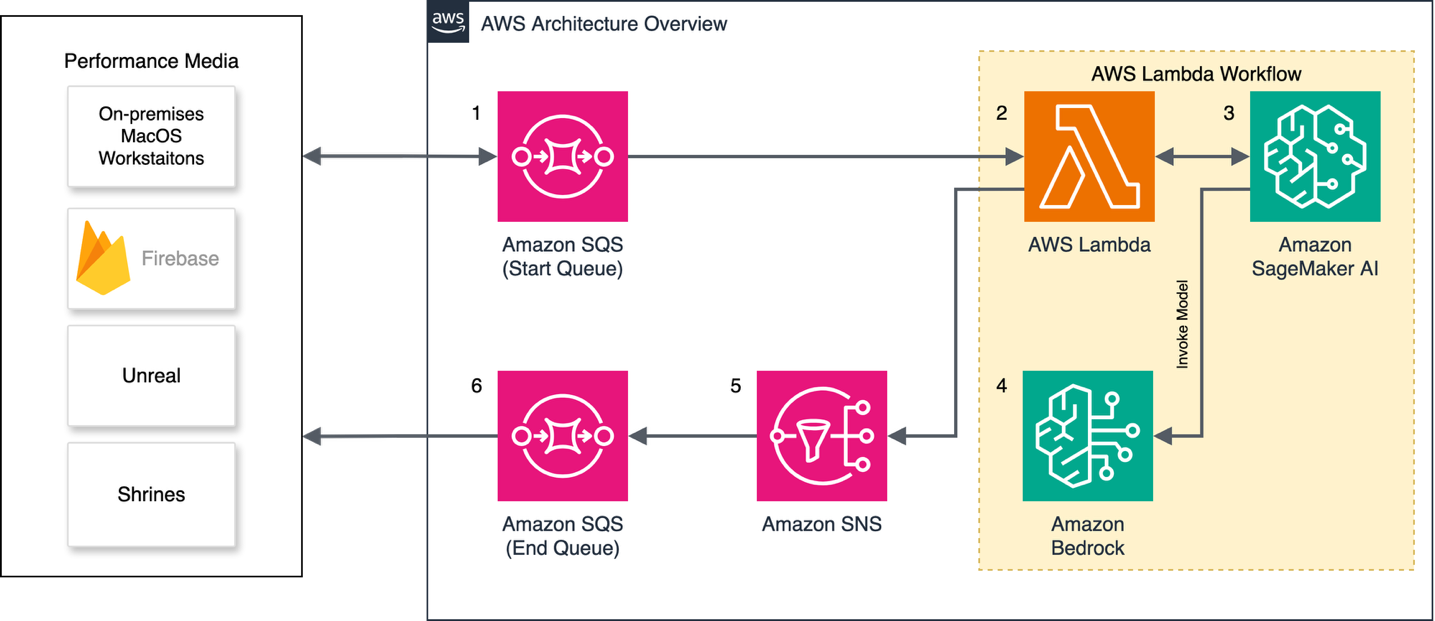
University of California Los Angeles delivers an immersive theater experience with AWS generative AI servicesArtificial Intelligence In this post, we will walk through the performance constraints and design choices by OARC and REMAP teams at UCLA, including how AWS serverless infrastructure, AWS Managed Services, and generative AI services supported the rapid design and deployment of our solution. We will also describe our use of Amazon SageMaker AI and how it can be used reliably in immersive live experiences.
In this post, we will walk through the performance constraints and design choices by OARC and REMAP teams at UCLA, including how AWS serverless infrastructure, AWS Managed Services, and generative AI services supported the rapid design and deployment of our solution. We will also describe our use of Amazon SageMaker AI and how it can be used reliably in immersive live experiences. Read More
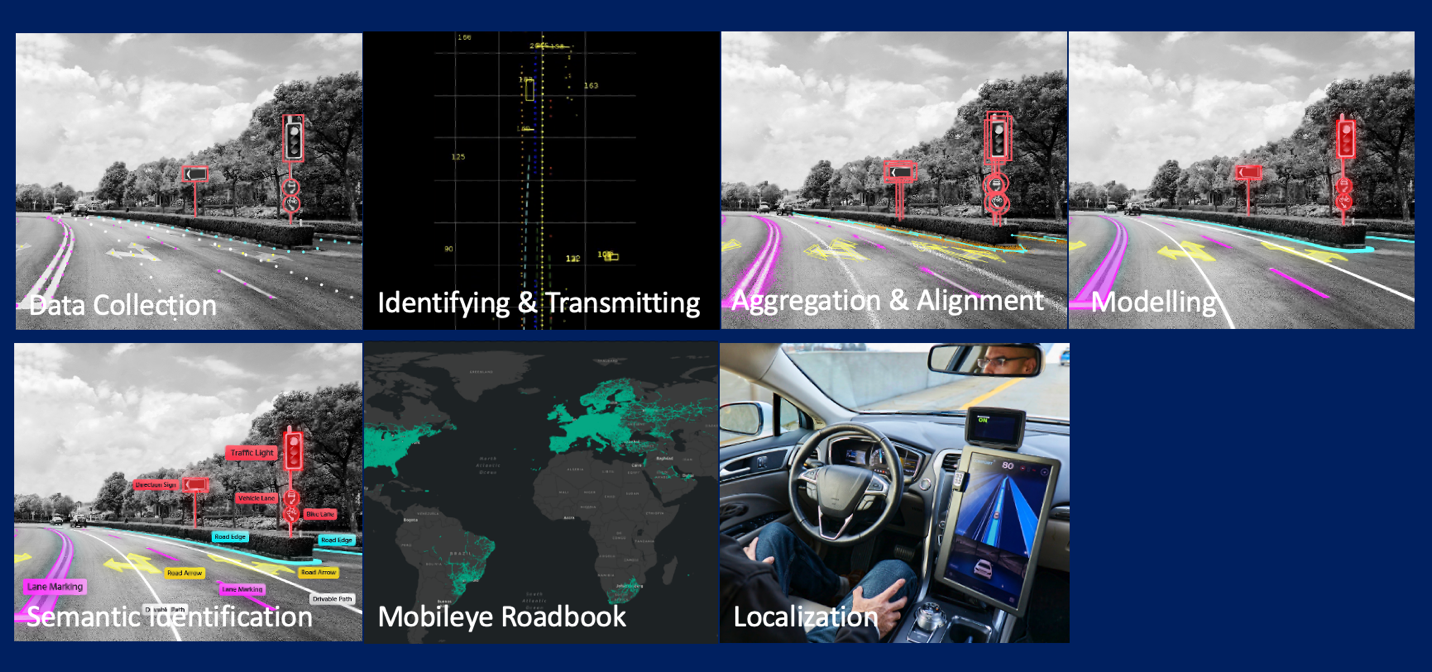
Optimizing Mobileye’s REM™ with AWS Graviton: A focus on ML inference and Triton integrationArtificial Intelligence In this post, we focus on one portion of the REM™ system: the automatic identification of changes to the road structure which we will refer to as Change Detection. We will share our journey of architecting and deploying a solution for Change Detection, the core of which is a deep learning model called CDNet. We will share real-life decisions and tradeoffs when building and deploying a high-scale, highly parallelized algorithmic pipeline based on a Deep Learning (DL) model, with an emphasis on efficiency and throughput.
In this post, we focus on one portion of the REM™ system: the automatic identification of changes to the road structure which we will refer to as Change Detection. We will share our journey of architecting and deploying a solution for Change Detection, the core of which is a deep learning model called CDNet. We will share real-life decisions and tradeoffs when building and deploying a high-scale, highly parallelized algorithmic pipeline based on a Deep Learning (DL) model, with an emphasis on efficiency and throughput. Read More
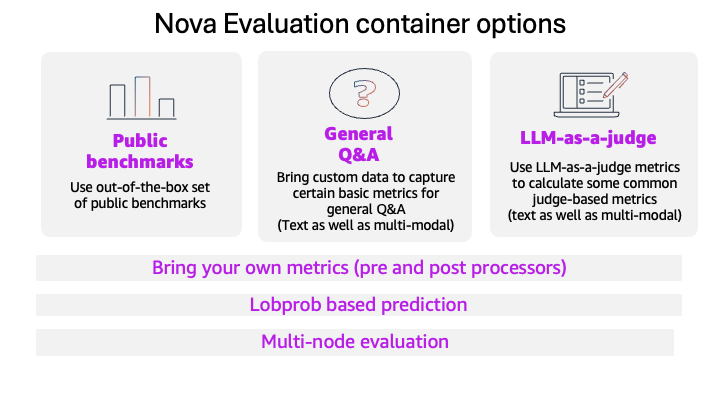
Evaluate models with the Amazon Nova evaluation container using Amazon SageMaker AIArtificial Intelligence This blog post introduces the new Amazon Nova model evaluation features in Amazon SageMaker AI. This release adds custom metrics support, LLM-based preference testing, log probability capture, metadata analysis, and multi-node scaling for large evaluations.
This blog post introduces the new Amazon Nova model evaluation features in Amazon SageMaker AI. This release adds custom metrics support, LLM-based preference testing, log probability capture, metadata analysis, and multi-node scaling for large evaluations. Read More

Beyond the technology: Workforce changes for AIArtificial Intelligence In this post, we explore three essential strategies for successfully integrating AI into your organization: addressing organizational debt before it compounds, embracing distributed decision-making through the “octopus organization” model, and redefining management roles to align with AI-powered workflows. Organizations must invest in both technology and workforce preparation, focusing on streamlining processes, empowering teams with autonomous decision-making within defined parameters, and evolving each management layer from traditional oversight to mentorship, quality assurance, and strategic vision-setting.
In this post, we explore three essential strategies for successfully integrating AI into your organization: addressing organizational debt before it compounds, embracing distributed decision-making through the “octopus organization” model, and redefining management roles to align with AI-powered workflows. Organizations must invest in both technology and workforce preparation, focusing on streamlining processes, empowering teams with autonomous decision-making within defined parameters, and evolving each management layer from traditional oversight to mentorship, quality assurance, and strategic vision-setting. Read More
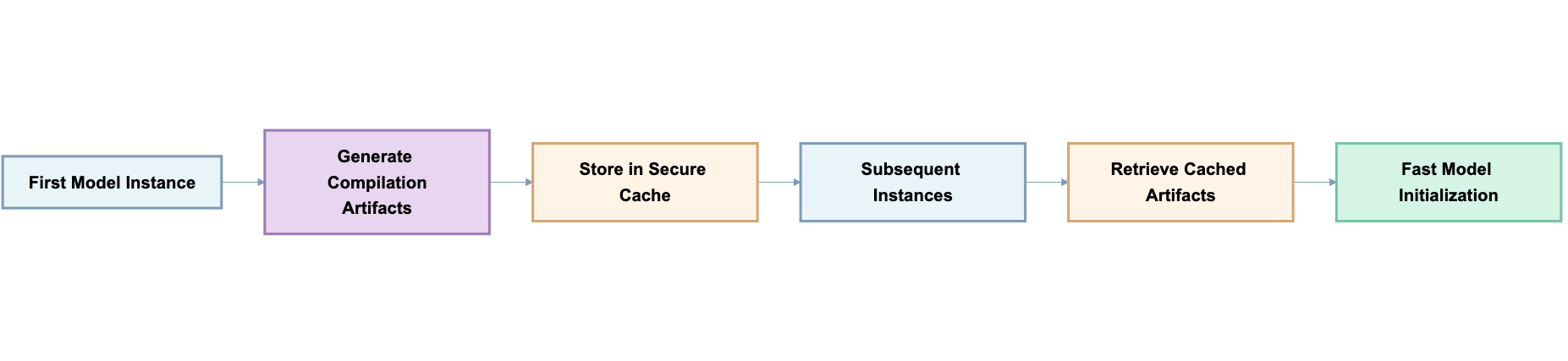
Enhanced performance for Amazon Bedrock Custom Model ImportArtificial Intelligence You can now achieve significant performance improvements when using Amazon Bedrock Custom Model Import, with reduced end-to-end latency, faster time-to-first-token, and improved throughput through advanced PyTorch compilation and CUDA graph optimizations. With Amazon Bedrock Custom Model Import you can to bring your own foundation models to Amazon Bedrock for deployment and inference at scale. In this post, we introduce how to use the improvements in Amazon Bedrock Custom Model Import.
You can now achieve significant performance improvements when using Amazon Bedrock Custom Model Import, with reduced end-to-end latency, faster time-to-first-token, and improved throughput through advanced PyTorch compilation and CUDA graph optimizations. With Amazon Bedrock Custom Model Import you can to bring your own foundation models to Amazon Bedrock for deployment and inference at scale. In this post, we introduce how to use the improvements in Amazon Bedrock Custom Model Import. Read More
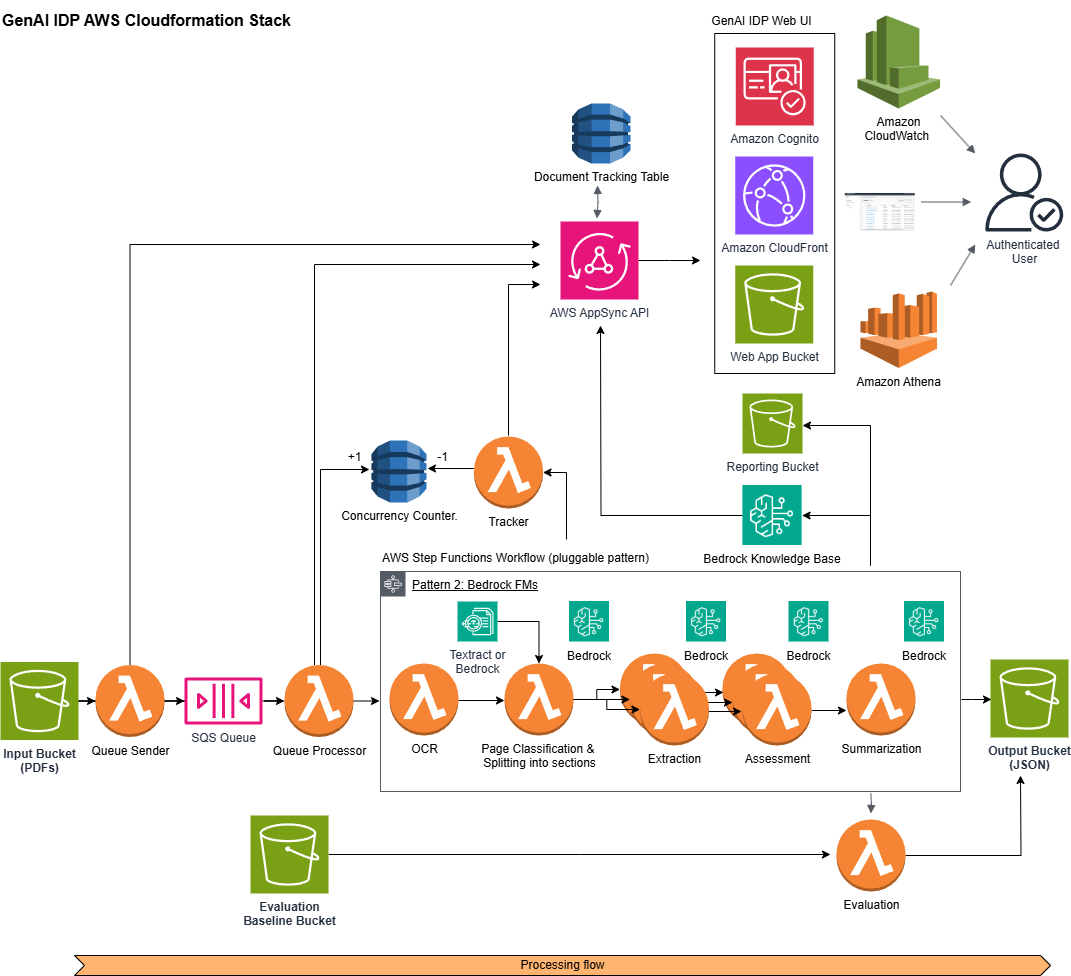
How Myriad Genetics achieved fast, accurate, and cost-efficient document processing using the AWS open-source Generative AI Intelligent Document Processing AcceleratorArtificial Intelligence In this post, we explore how Myriad Genetics partnered with the AWS Generative AI Innovation Center to transform their healthcare document processing pipeline using Amazon Bedrock and Amazon Nova foundation models, achieving 98% classification accuracy while reducing costs by 77% and processing time by 80%. We detail the technical implementation using AWS’s open-source GenAI Intelligent Document Processing Accelerator, the optimization strategies for document classification and key information extraction, and the measurable business impact on Myriad’s prior authorization workflows.
In this post, we explore how Myriad Genetics partnered with the AWS Generative AI Innovation Center to transform their healthcare document processing pipeline using Amazon Bedrock and Amazon Nova foundation models, achieving 98% classification accuracy while reducing costs by 77% and processing time by 80%. We detail the technical implementation using AWS’s open-source GenAI Intelligent Document Processing Accelerator, the optimization strategies for document classification and key information extraction, and the measurable business impact on Myriad’s prior authorization workflows. Read More
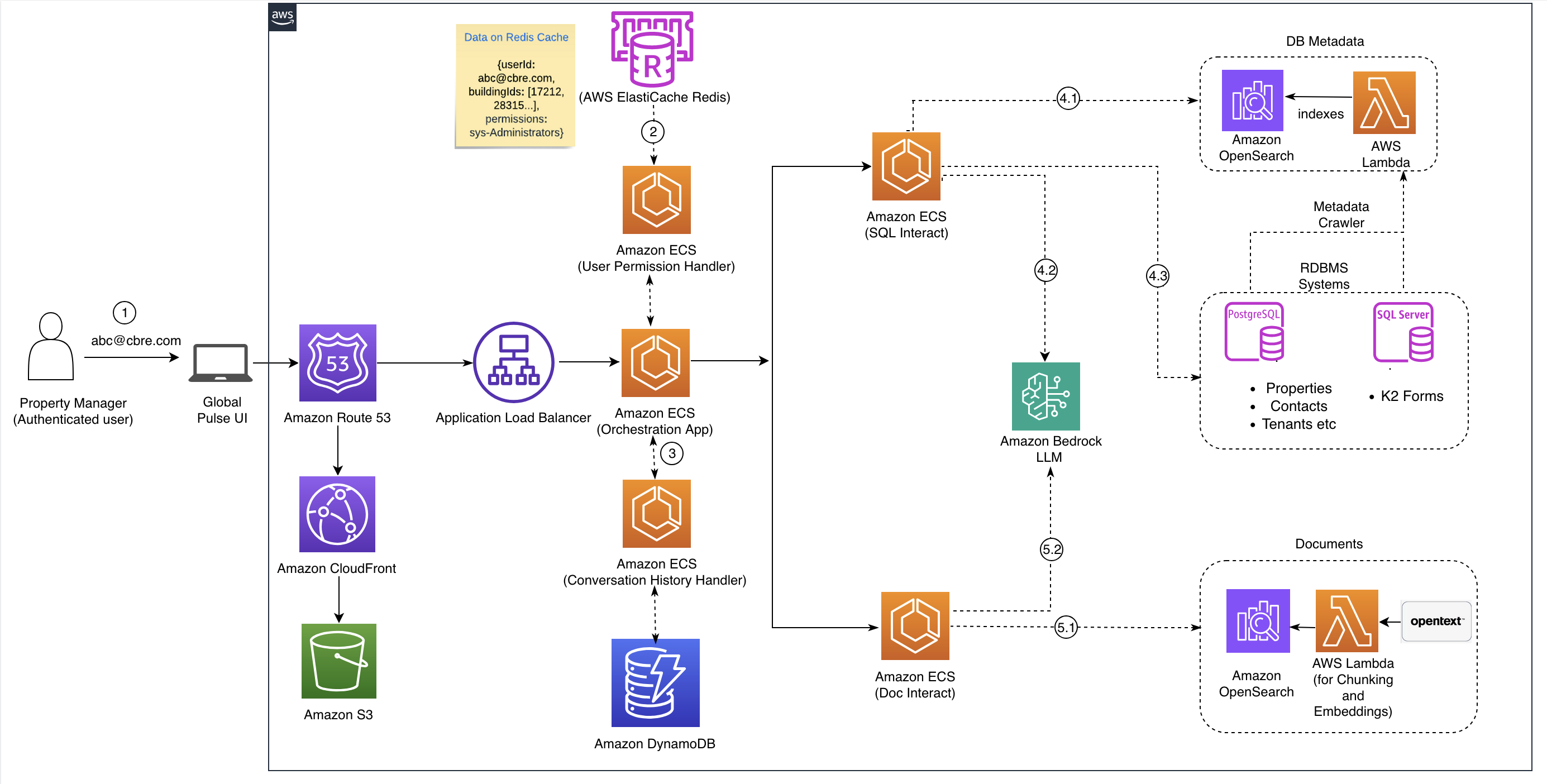
How CBRE powers unified property management search and digital assistant using Amazon BedrockArtificial Intelligence In this post, CBRE and AWS demonstrate how they transformed property management by building a unified search and digital assistant using Amazon Bedrock, enabling professionals to access millions of documents and multiple databases through natural language queries. The solution combines Amazon Nova Pro for SQL generation and Claude Haiku for document interactions, achieving a 67% reduction in processing time while maintaining enterprise-grade security across more than eight million documents.
In this post, CBRE and AWS demonstrate how they transformed property management by building a unified search and digital assistant using Amazon Bedrock, enabling professionals to access millions of documents and multiple databases through natural language queries. The solution combines Amazon Nova Pro for SQL generation and Claude Haiku for document interactions, achieving a 67% reduction in processing time while maintaining enterprise-grade security across more than eight million documents. Read More

DR Tulu: Reinforcement Learning with Evolving Rubrics for Deep Researchcs.AI updates on arXiv.org arXiv:2511.19399v1 Announce Type: cross
Abstract: Deep research models perform multi-step research to produce long-form, well-attributed answers. However, most open deep research models are trained on easily verifiable short-form QA tasks via reinforcement learning with verifiable rewards (RLVR), which does not extend to realistic long-form tasks. We address this with Reinforcement Learning with Evolving Rubrics (RLER), in which we construct and maintain rubrics that co-evolve with the policy model during training; this allows the rubrics to incorporate information that the model has newly explored and to provide discriminative, on-policy feedback. Using RLER, we develop Deep Research Tulu (DR Tulu-8B), the first open model that is directly trained for open-ended, long-form deep research. Across four long-form deep research benchmarks in science, healthcare and general domains, DR Tulu substantially outperforms existing open deep research models, and matches or exceeds proprietary deep research systems, while being significantly smaller and cheaper per query. To facilitate future research, we release all data, models, and code, including our new MCP-based agent infrastructure for deep research systems.
arXiv:2511.19399v1 Announce Type: cross
Abstract: Deep research models perform multi-step research to produce long-form, well-attributed answers. However, most open deep research models are trained on easily verifiable short-form QA tasks via reinforcement learning with verifiable rewards (RLVR), which does not extend to realistic long-form tasks. We address this with Reinforcement Learning with Evolving Rubrics (RLER), in which we construct and maintain rubrics that co-evolve with the policy model during training; this allows the rubrics to incorporate information that the model has newly explored and to provide discriminative, on-policy feedback. Using RLER, we develop Deep Research Tulu (DR Tulu-8B), the first open model that is directly trained for open-ended, long-form deep research. Across four long-form deep research benchmarks in science, healthcare and general domains, DR Tulu substantially outperforms existing open deep research models, and matches or exceeds proprietary deep research systems, while being significantly smaller and cheaper per query. To facilitate future research, we release all data, models, and code, including our new MCP-based agent infrastructure for deep research systems. Read More