
Hundreds of trojanized versions of well-known packages such as Zapier, ENS Domains, PostHog, and Postman have been planted in the npm registry in a new Shai-Hulud supply-chain campaign. […] Read More

A threat actor is leveraging a flaw in the Ray framework to hijack AI infrastructure worldwide and distribute a self-propagating cryptomining and data theft botnet. Read More

This campaign introduces a new variant that executes malicious code during preinstall, significantly increasing potential exposure in build and runtime environments, researchers said. Read More

Advancements in vision language models expanded models reasoning capabilities to help protect employee safety. Read More

Harvard University disclosed over the weekend that its Alumni Affairs and Development systems were compromised in a voice phishing attack, exposing the personal information of students, alumni, donors, staff, and faculty members. […] Read More

A Russian-linked campaign delivers the StealC V2 information stealer malware through malicious Blender files uploaded to 3D model marketplaces like CGTrader. […] Read More

Microsoft is testing a new optional feature that preloads File Explorer in the background to improve launch times on Windows 11 systems. […] Read More
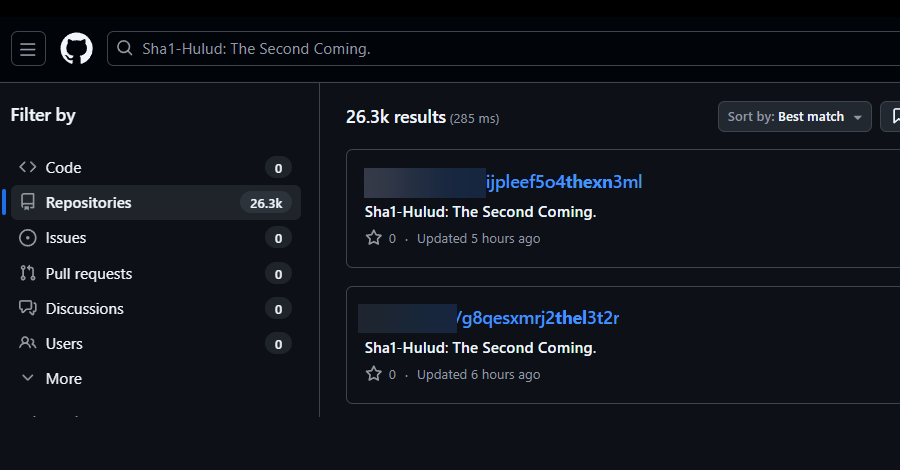
Multiple security vendors are sounding the alarm about a second wave of attacks targeting the npm registry in a manner that’s reminiscent of the Shai-Hulud attack. The new supply chain campaign, dubbed Sha1-Hulud, has compromised hundreds of npm packages, according to reports from Aikido, HelixGuard, Koi Security, Socket, Step Security, and Wiz. The trojanized npm packages […]

This week saw a lot of new cyber trouble. Hackers hit Fortinet and Chrome with new 0-day bugs. They also broke into supply chains and SaaS tools. Many hid inside trusted apps, browser alerts, and software updates. Big firms like Microsoft, Salesforce, and Google had to react fast — stopping DDoS attacks, blocking bad links, […]
New research from CrowdStrike has revealed that DeepSeek’s artificial intelligence (AI) reasoning model DeepSeek-R1 produces more security vulnerabilities in response to prompts that contain topics deemed politically sensitive by China. “We found that when DeepSeek-R1 receives prompts containing topics the Chinese Communist Party (CCP) likely considers politically sensitive, the likelihood of it Read More